
Rising Home Prices: What’s Driving the Canadian Market
Supply constraints, immigration trends, and interest rates are reshaping residential real estate values across major Canadian cities. Here’s what’s actually happening beneath the headlines.

Understanding the Current Market Landscape
Canadian home prices aren’t rising in a vacuum. We’re watching multiple forces collide at once — some pushing prices up sharply, others creating uncertainty. If you’re trying to make sense of headlines about million-dollar homes in Toronto or Vancouver getting snapped up in hours, or wondering why smaller cities are suddenly getting competitive, this breakdown helps explain what’s really going on.
The market we’re looking at isn’t uniform across the country. Toronto’s trajectory differs from Montreal’s, which looks different from Calgary’s. But there are connecting threads — fundamentals that apply whether you’re looking at a condo in Ottawa or a suburban home in the Greater Vancouver Area.
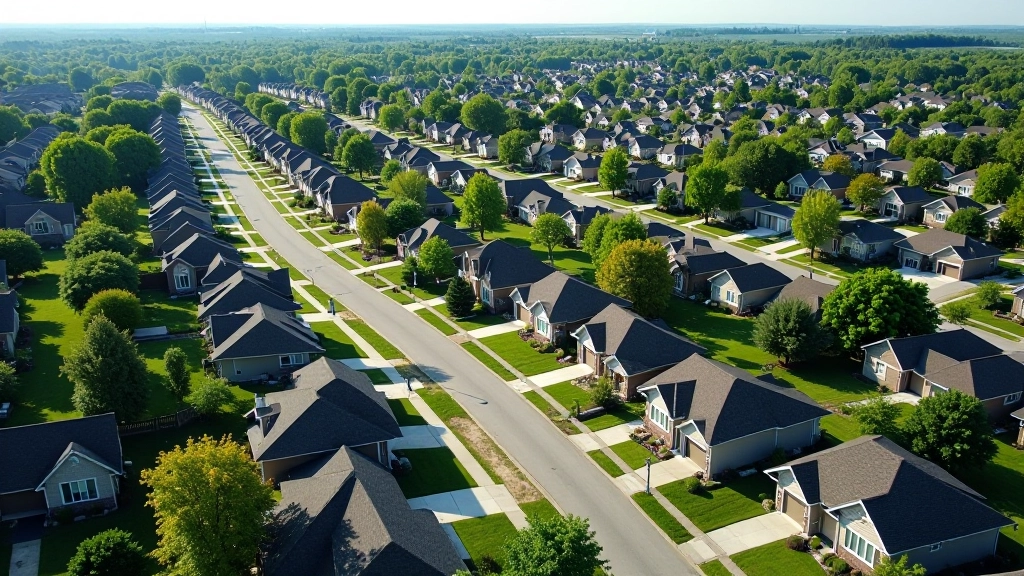
The Supply Shortage That Won’t Quit
Here’s the straightforward part: Canada doesn’t have enough homes. Not even close. We’re short roughly 1.5 million housing units based on current population growth projections. That’s not a small gap.
When supply is tight and demand keeps climbing, prices move up. It’s basic economics. But why is supply so constrained? Building takes time. Construction costs have surged. Land is expensive in desirable areas. Zoning restrictions in many municipalities limit what developers can build. You’ll find a lot of single-family neighborhoods in prime locations where denser housing simply isn’t allowed.
Plus, we’re not building enough rental apartments either. Fewer rental options means more people pushed into the ownership market, which intensifies competition for available homes. The rental vacancy rate sits near historic lows in major cities.
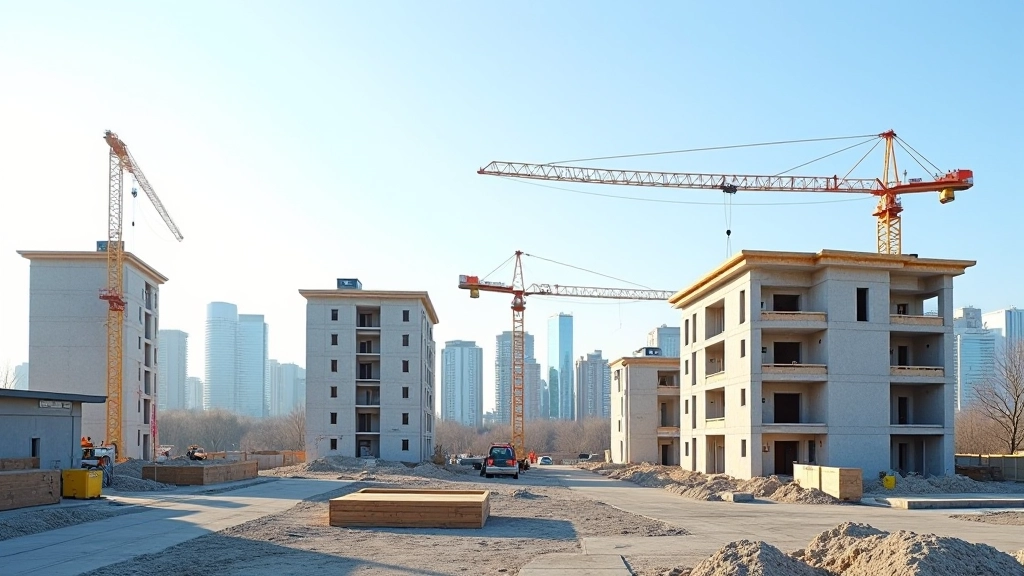

Immigration: Demand on Overdrive
Canada welcomed over 1.7 million permanent residents between 2022 and 2024. That’s an enormous population influx — concentrated heavily in Toronto, Vancouver, Calgary, and Montreal. Each new resident needs a place to live. Most need somewhere within commuting distance of jobs. You’ve got instant housing demand with nowhere near enough supply to absorb it.
Immigration policy does shift. The government adjusted targets in late 2024 and early 2025, bringing down expected numbers. But the accumulated effect from recent years is still working through the market. The people who arrived already need housing. The units they occupy won’t suddenly appear as available to others.
What makes this especially tight: most new residents land in cities that’re already supply-constrained. They’re not evenly distributed across rural Canada — they concentrate where jobs are. That’s Vancouver, Toronto, Calgary’s tech corridor, Montreal’s growing sectors. Those are the exact markets where inventory runs thinnest.
Interest Rates: The Affordability Squeeze
Mortgage rates rose dramatically starting in 2022. The Bank of Canada hiked its policy rate from near-zero to over 5% as inflation pressured the economy. That rippled directly into mortgage rates. A five-year fixed mortgage that sat around 2% in 2021 hit 6.5%+ by late 2024. Higher rates mean bigger monthly payments on the same house price.
Here’s where it gets complicated: higher rates reduce how much people can borrow. Your approved mortgage amount drops significantly when rates climb. So even though house prices might not increase, affordability actually worsens because you qualify for less financing. That paradoxically keeps demand high — people rush to buy before rates potentially climb further, or to lock in before they personally can’t qualify for larger amounts.
Rates have started coming down from their peaks in 2024, but they’re still elevated compared to the 2010s. The days of 2.5% five-year fixed rates feel distant. Current borrowing costs create ongoing tension between price levels and what buyers can actually afford.
How These Forces Interact
Supply Crunch Meets Demand Surge
Limited inventory. Growing population. The gap widens faster than new construction can fill it. Prices rise because sellers have leverage — multiple interested buyers for each property.
Affordability Crisis Drives Urgency
Buyers feel pressure to act now rather than wait. Interest rates could climb. Prices keep rising. Your borrowing power might shrink. That urgency pushes offers higher.
Regional Variation in Pressure
Toronto and Vancouver see the most acute pressure — tight supply meets strong immigration inflow. Secondary cities experience growth but less intensity. Rural markets stay relatively stable.
What Comes Next
The near-term outlook hinges on whether supply can genuinely increase. Federal and provincial governments recognize the crisis — there’s real policy focus on relaxing zoning restrictions and speeding approvals. If building accelerates and new units hit the market in meaningful numbers, pressure on prices eases. That’s years away though, not months.
Interest rates matter enormously too. If rates fall back toward 4% territory, affordability improves and demand could intensify. If they climb again, demand cools but might push even more urgency among buyers worried about future access.
Immigration policy continues evolving. Lower intake targets than recent years means somewhat slower population growth — but people already here still need housing. That keeps baseline demand elevated.
“The supply gap didn’t form overnight and won’t close overnight. We’re looking at a multi-year challenge that requires consistent building, policy support, and market adaptation.”

Key Takeaways
Supply shortage is real: Canada’s missing roughly 1.5 million homes. Building can’t keep pace with demand.
Immigration adds pressure: Over 1.7 million newcomers in recent years concentrate in supply-tight cities.
Interest rates impact affordability: Higher rates mean bigger payments and smaller loan approvals, creating urgency.
Regional differences matter: Toronto and Vancouver face acute pressure; secondary cities grow but less intensely.
Solutions require time: Addressing supply through policy and construction is years-long process, not quick fix.
Important Disclaimer
This article provides educational information about Canadian housing market dynamics and economic trends. It’s not financial advice, investment guidance, or a real estate recommendation. Housing markets are complex, regional variation is significant, and individual circumstances differ widely. Before making any real estate decisions, consult with qualified professionals including real estate agents, mortgage brokers, and financial advisors who understand your specific situation and local market conditions. Market conditions change regularly — this information reflects 2026 data and may evolve as economic factors shift.